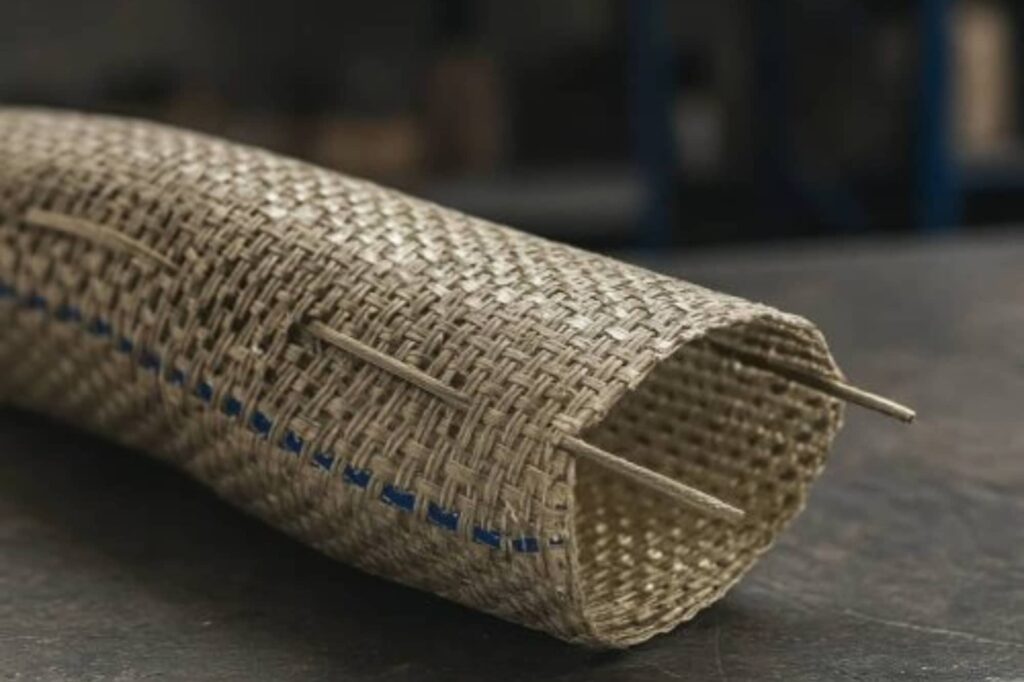
The EMI shielding sleeve is a solution designed to protect cables and electrical harnesses against Electromagnetic interference (EMI). It ensures the reliability of signals, compliance with standards, and performance of electronic systems, especially in sensitive industrial environments.
Used in the energy, electronics, data centre and electric mobility sectors, it plays an essential role in reduction of electromagnetic interference and protection of critical equipment.
At ADDEV Materials, we support manufacturers in the selection and integration of suitable shielding solutions, in collaboration with specialist manufacturers.

In an industrial context, it is used for:
It is essential for critical systems.
Comparison:
Each solution addresses a specific constraint.
The EMI shielding sheath is a device designed to limit electromagnetic interference by ensuring a Conductive barrier around cables.
Its main functions:
It is generally composed of:
It provides a key solution for sensitive electronic environments.
La Shielding sleeve is used in:
The choice depends on :
Critique de la performance.
As required:
To be adapted according to the application.
To consider:
Ensures durability.
It's important to think ahead:
Essential for the effectiveness of the shielding.
We work with partners recognised for their technical expertise:
Expertise in the protection of electrical systems
Technical support
Large portfolio of solutions
Performance-oriented approach
International presence
We help you improve the reliability and compliance of your systems.
Each application requires a specific solution.
Our experts can help you with :
Get a quote for a duct
Speak to an expert
Quick response – Dedicated technical support – Tailored solution
It's a sheath that protects cables against electromagnetic interference.
It improves signal quality and electromagnetic compatibility.
The sheath is an external solution, the shielding is integrated into the cable.
According to the electromagnetic constraints and the environment.
Copper, aluminium or conductive textiles.
Yes, particularly in sensitive electronic environments.
Yes, depending on the solutions used.
With a good earth connection and a suitable solution.