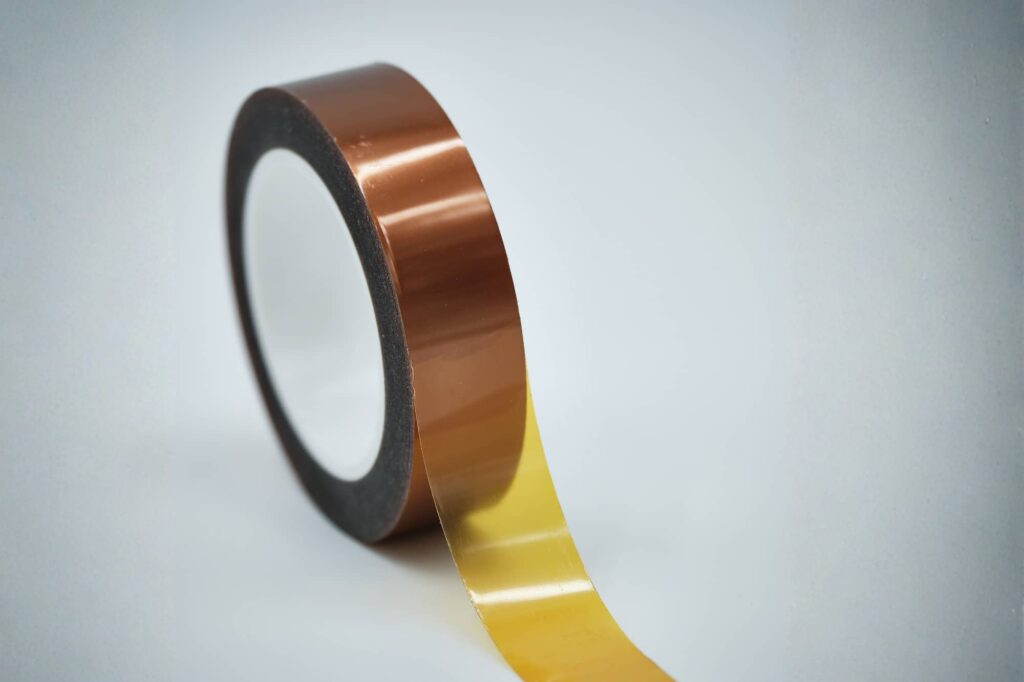
High-temperature PI (polyimide) film for industrial electrical insulation

PI film (polyimide) is a high-performance film designed for industrial applications subjected to extreme temperatures and high electrical stresses.

Recognised for its exceptional thermal stability and high dielectric properties, polyimide film is used in the sectors of power electronics, electric automotive, energy storage, and critical industrial environments.

ADDEV Materials supports manufacturers in the selection and processing of high-temperature PI film tailored to their technical constraints.

Request a quote for industrial PI film

Polyimide film

High-performance PI film for electrical insulation

Le film polyimide est utilisé pour :

  • High-temperature electric motor insulation
  • Coil insulation
  • Electronic Module Protection
  • Lithium-ion battery applications
  • Energy storage systems
  • Embedded electronics

Its ability to maintain its dielectric properties at high temperature sets it apart from conventional polyester films.

The high-temperature PI film is designed to operate in environments where PET or PP films are no longer suitable.

It is recommended when:

  • The temperatures are exceeding the polyester film's capabilities
  • Thermal cycling is common
  • Dimensional stability is critical
  • The electrical performance must remain constant

For specific needs, solutions like Kapton can also be considered depending on the grade.

What is PI (polyimide) film?

Polyimide film, or PI film, is a high-performance polymer material designed to maintain its mechanical and electrical properties in extreme thermal environments.

Polyimide film offers:

  • High temperature resistance (> 250°C depending on grade)
  • Excellent dielectric strength
  • Exceptional dimensional stability
  • High chemical resistance
  • Radiation resistance
  • Low thermal expansion

These properties make PI electrical insulating film an essential solution in critical applications.


Brands and references available

We offer several references of industrial PEN film: 

Other technical grades subject to availability

Film PI and bespoke transformation supplier

ADDEV acts as a supplier of industrial polyimide film with comprehensive processing capabilities:

Film PI vs Kapton: wat is het verschil?

The PI (polyimide) film is a generic category.

Kapton is a specific brand of polyimide film.

According to your specifications:

  • Certain generic polyimide grades may be sufficient
  • Very critical environments may require specific grades such as Kapton.

Our experts will help you optimise performance and budget.

Kapton

Industrial applications of polyimide film

The industrial PI film is used in:

How to choose the right PI film?

The choice depends on :

1. Operating temperature

Determining criterion for sizing.

2. Electrical constraints

Depending on the voltage level.

3. Mechanical stress

Cutting, folding, integration..

4. Industrial process

Laminating, sticking, automation..

Our technical teams are analysing your specifications to recommend the suitable polyimide film.

Why choose ADDEV as your film IP partner?

Access to different polyimide grades

Multi-market materials expertise

Integrated industrial transformation

Technical support engineer

International presence

We act as a technical partner from the R&D phase.

Need high-performance PI film?

Every high-temperature application requires precise sizing.

Our teams will assist you in selecting the electrical PI insulation film that suits your product architecture.

Get a quote for an industrial PI film
Speak to an electrical insulation expert

Quick response – Dedicated technical support – Tailored solution

FAQ – PI Film Polyimide

PI film is a high-performance polyimide film used for electrical insulation and high-temperature applications.

Depending on the grade, PI film can withstand temperatures above 250°C.

Kapton is a specific brand of polyimide film. PI film refers to the generic category.

Yes, ADDEV offers cutting, laminating and industrial processing tailored to your specifications.